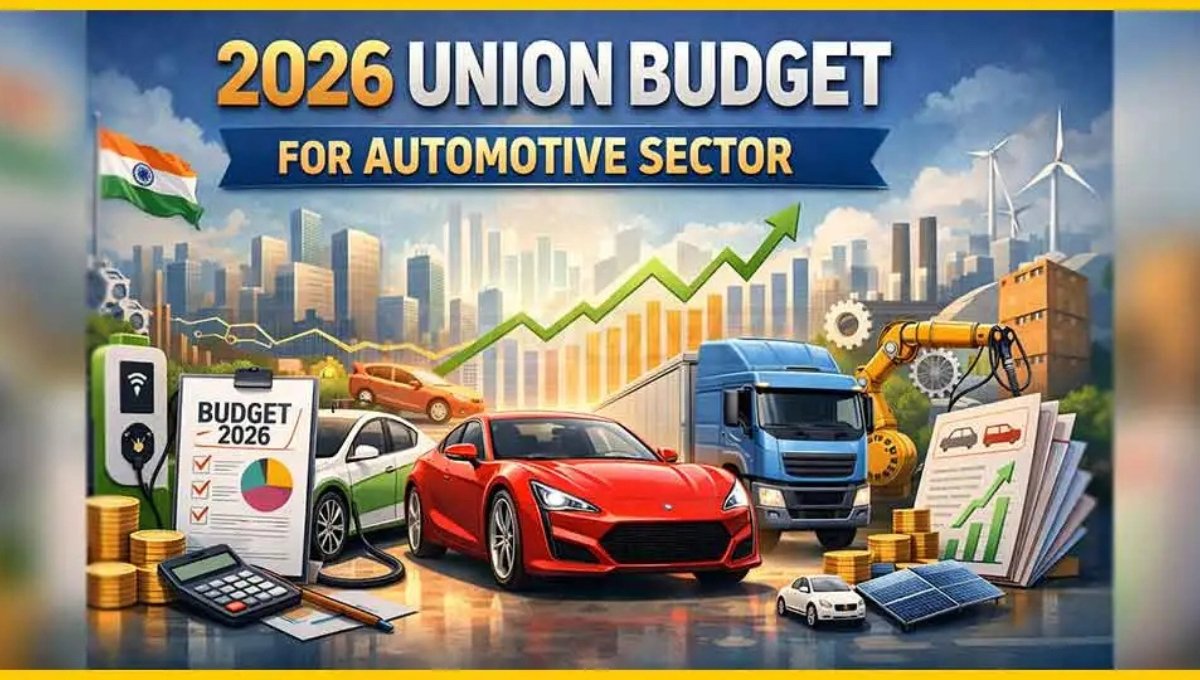
Budget 2026: Whenever budget day arrives, everyone, from the common man to large corporations, focuses their attention on the government’s decisions. But for the auto sector, the budget holds a particularly special significance.
The reason is clear: cars, electric vehicles, and two-wheelers are not just modes of transportation; they are directly linked to the country’s economy, employment, and the future of mobility.
A similar atmosphere surrounds Budget 2026. Industry insiders, buyers, and investors all want to know what direction the government will take regarding the auto sector this time.
If I had to explain it to a friend, I would say that this budget is crucial not just for today’s vehicles, but for the mobility of the next ten years.
Highest Expectations from the EV Sector
In the last few years, people’s perception of electric vehicles has changed. What were once considered mere experiments are now gradually becoming a part of everyday life. The biggest expectation from Budget 2026 regarding the EV sector is that the government will further strengthen long-term investments.
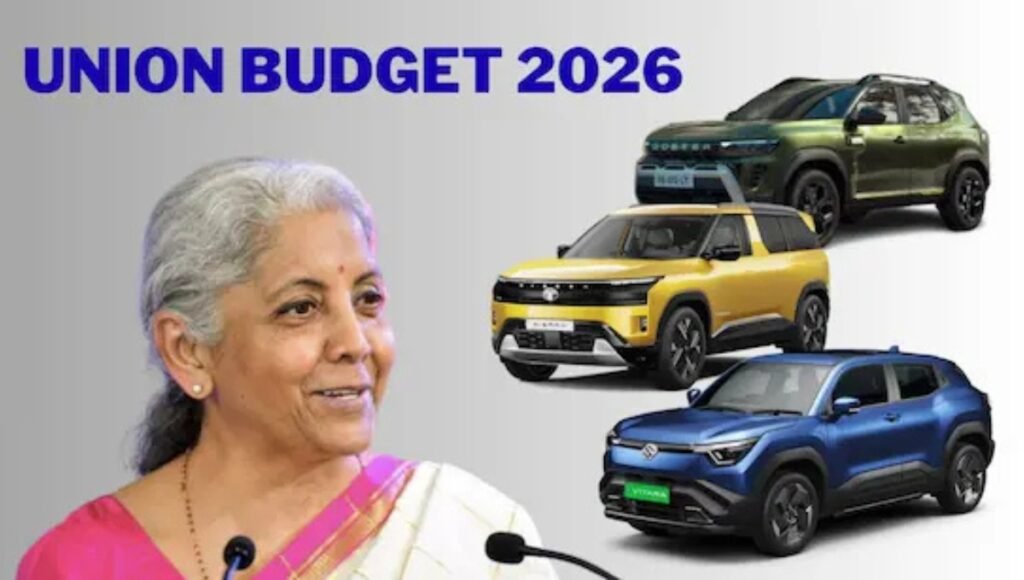
Industry experts believe that if the duty structure related to EVs is made simpler and more balanced, it will benefit both global and domestic companies. This will not only bring new technology to India but also accelerate the adoption of electric mobility. For the average buyer, this will mean more options and gradually lower prices.
The Role of the PLI Scheme and Local Manufacturing
If we truly want to strengthen the EV and auto sector, simply selling vehicles won’t suffice. Their components, batteries, and technology must also be manufactured domestically. The PLI (Production Linked Incentive) scheme can be a major tool in this direction.
Budget 2026 is expected to increase funding for the PLI scheme, encouraging companies to increase manufacturing in India. This will directly benefit employment and, in the long run, may also reduce the cost of vehicles. When things are manufactured domestically, it impacts both price and availability.
EV Charging Infrastructure: The Biggest Key to Confidence
Even today, many people wonder where they will charge their EVs before buying one. This is the question that slows down the growth of the EV sector. If the government allocates more funds and presents a clear plan for charging infrastructure in Budget 2026, it could prove to be a game-changer.
As charging stations become more prevalent in cities, on highways, and in smaller towns, people’s anxieties will diminish. Confidence in EVs will only grow when charging becomes as easy as finding a petrol pump.
Tax and Duty Reforms: Impact on the Buyer’s Pocket
Taxes and duties in the auto sector directly impact prices. Especially in the case of EVs, the industry has long been demanding reforms in the duty structure. If the taxes levied on EVs and their components are appropriately balanced in Budget 2026, it could boost both manufacturing and sales.
Simply put, the right tax policy means that buying an EV will gradually become more affordable for a larger segment of the population.
What’s in it for the Car and Two-Wheeler Sectors?
Budget 2026 won’t be limited to just EVs. The industry also expects the government to maintain stable policies for petrol and diesel vehicles. For the two-wheeler sector, which caters to the daily needs of millions of people in the country, affordable financing and stable taxes are crucial.
If people’s income and spending power remain strong, the demand for the auto sector will also remain robust. This is why the budget’s impact is not just on companies, but directly on the buyer as well.
Disclaimer: This article is based on media reports, industry expert opinions, and general analysis available before Budget 2026. The policies, taxes, and incentives announced in the budget may change after the official announcement. It is essential to verify government notifications and official information before making any purchase or investment decisions.
Also Read:
SBI Real Time Express Credit: Get up to ₹5 Lakh Loan from Home